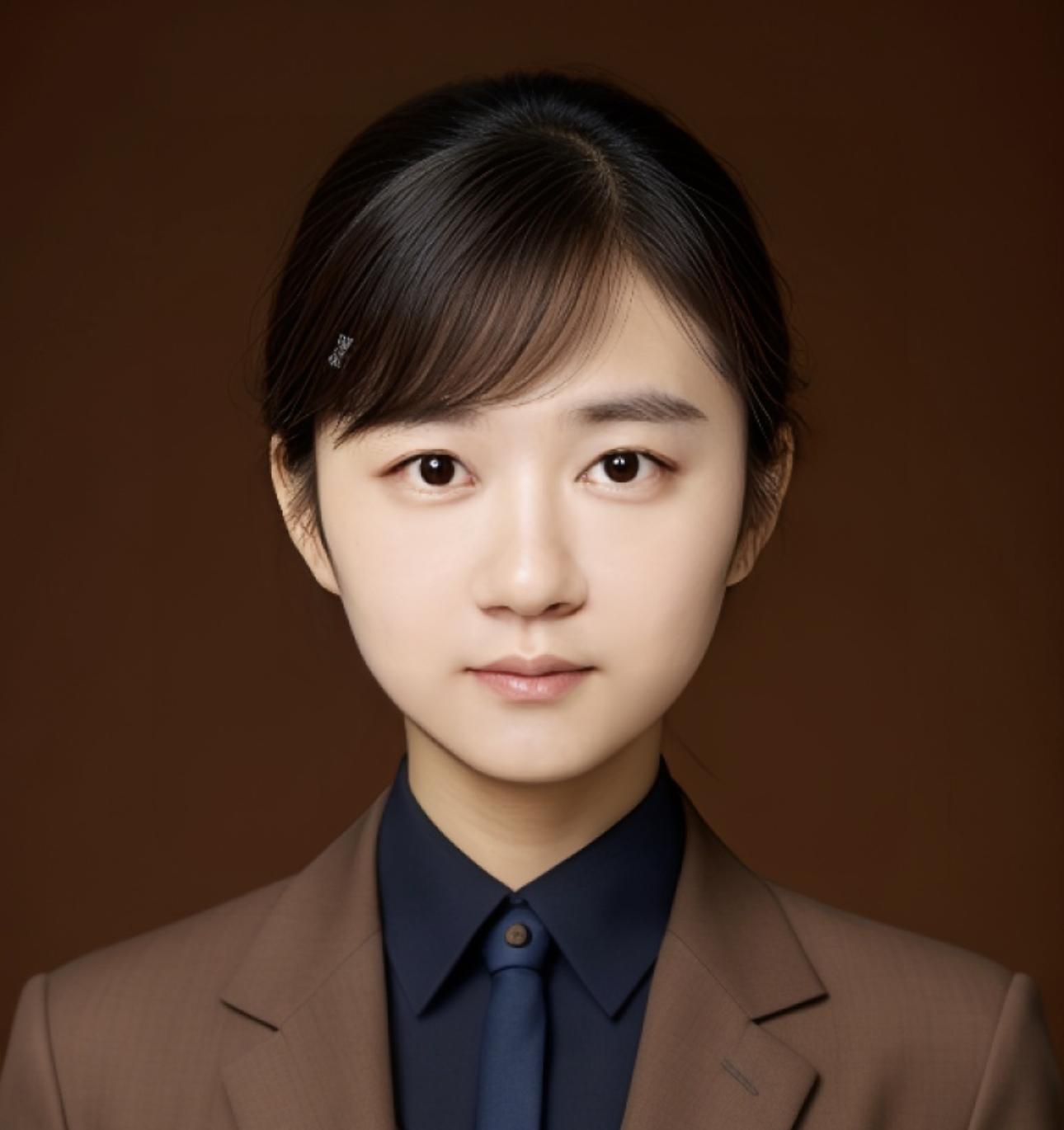
Yanshu Wang
Postdoctoral Researcher
School of Computer Science
Peking University
About Me
I am a Postdoctoral Researcher at the School of Computer Science, Peking University. I received my Ph.D. in Computer Science and Technology from Tsinghua University in 2022 (GPA: 3.93/4.0), and double B.S./B.A. degrees in Computer Science and Economics from Xi'an Jiaotong University in 2017, where I ranked 1st in both majors.
My current research focuses on theoretical error bounds and optimal sampling step selection for multi-step consistency models to enable efficient image generation. My research interests also include AI agent design, AI agents for quantitative trading, LLM inference optimization, generative modeling with diffusion and consistency models, distributed machine learning, and high-performance computing systems. I am also interested in developing AI agents for automated data acquisition and analysis, as well as intelligent workflow optimization.
News
- [2026.09] Paper accepted at NeurIPS 2026 on error theory and optimal step selection for multi-step consistency models.
- [2025] Paper accepted at ICDE 2025 (CCF A) on sketch-based network measurement.
- [2022] Joined Peking University as a Postdoctoral Researcher.
- [2022] Paper accepted at NSDI 2022 (CCF A) on hybrid flow table management.
- [2017] Received Ph.D. from Tsinghua University.